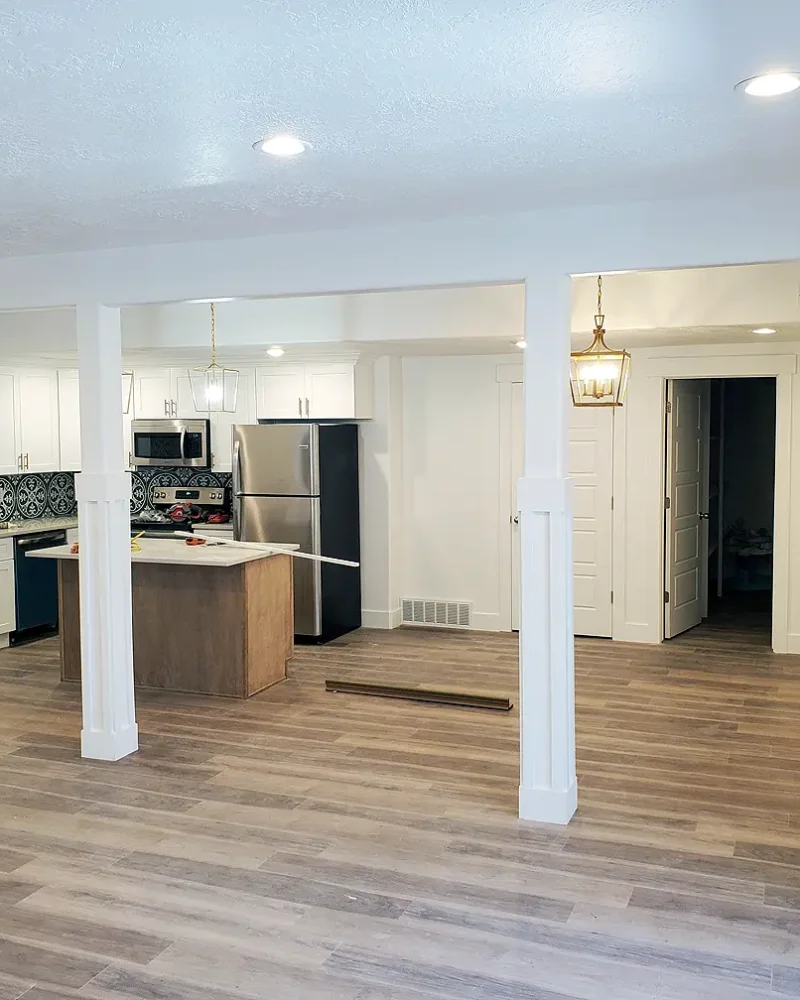
Basement Finishing Utah- a simple basement apartment

Utah Basement Code Requirements Explained

Finishing a basement in Utah is one of the smartest ways to add usable living space, boost home value, and create areas your family will actually enjoy. But before framing walls or picking paint colors, it’s crucial to understand the building codes and requirements that apply specifically to basement construction. Codes ensure safety, structural integrity, and compliance meaning the space can be legally lived in, insured, and appraised correctly.

Because basements sit below grade, they involve different considerations than main-level construction. Ceiling height, insulation, bedroom egress, electrical layout, plumbing placement, and fire safety standards must all be addressed during planning—not halfway through the project. The goal is not just to make a basement look finished, but to ensure it’s safe, comfortable, and fully approved for use.

The good news? When you understand the rules upfront, the entire project runs more smoothly. Permits get approved faster, inspections are easier, and you avoid costly tear-outs later. This guide breaks down the core Utah code requirements in plain language so you’ll know exactly what to expect before you build.

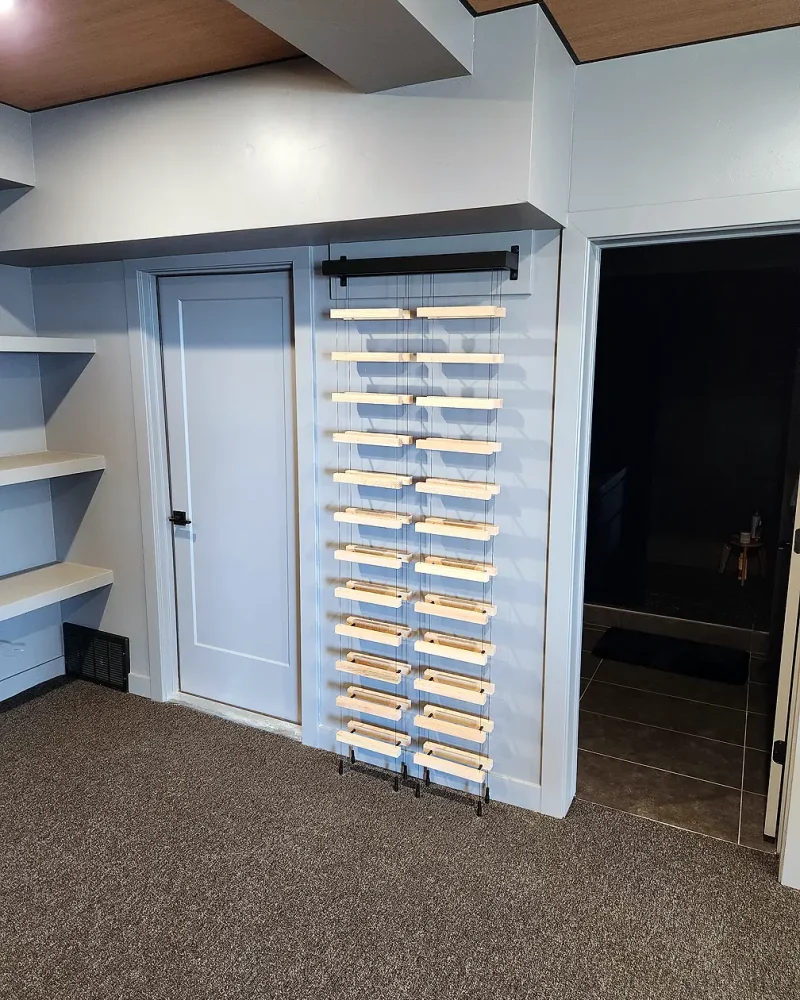
 
 
Basement Finishing Utah- custom wine rack

Why permits matter in Utah

Do You Need a Building Permit to Finish a Basement?

Yes almost all Utah basement finishing projects require a building permit. This includes framing, electrical, HVAC, plumbing, adding bedrooms, or converting space into an ADU or apartment. A permit ensures work meets state safety standards and gives you peace of mind knowing the finished space is legally habitable. Without it, you may run into issues with home insurance claims, refinancing, or selling the property in the future.

Most cities along the Wasatch Front (Salt Lake, Utah County, Davis, Weber, Tooele, etc.) follow International Residential Code (IRC) guidelines, with small city-by-city variations. Once submitted, the permit moves through plan review, then inspections occur during key stages of construction. Working with a contractor familiar with Utah processes keeps things smooth, organized, and compliant.

What qualifies as a legal bedroom in a Utah basement

Egress Windows & Bedroom Requirements

Bedrooms in a basement must have an egress window or exterior door for safe exit in case of emergency. This is one of the most commonly overlooked requirements, yet one of the most critical. An egress window must meet minimum size, height, and well clearance standards not just any window qualifies. Even if a room won’t be used as a bedroom immediately, adding egress during construction is often easier and more affordable than retrofitting later.

In Utah, an egress window typically requires a minimum net clear opening of 5.7 sq. ft., no more than 44” from the finished floor, and an opening height and width that meets IRC code. If a window well is needed, it must provide space for exit and include a ladder when the depth exceeds 44”. Proper planning ensures the layout balances safety requirements with natural light and aesthetics.

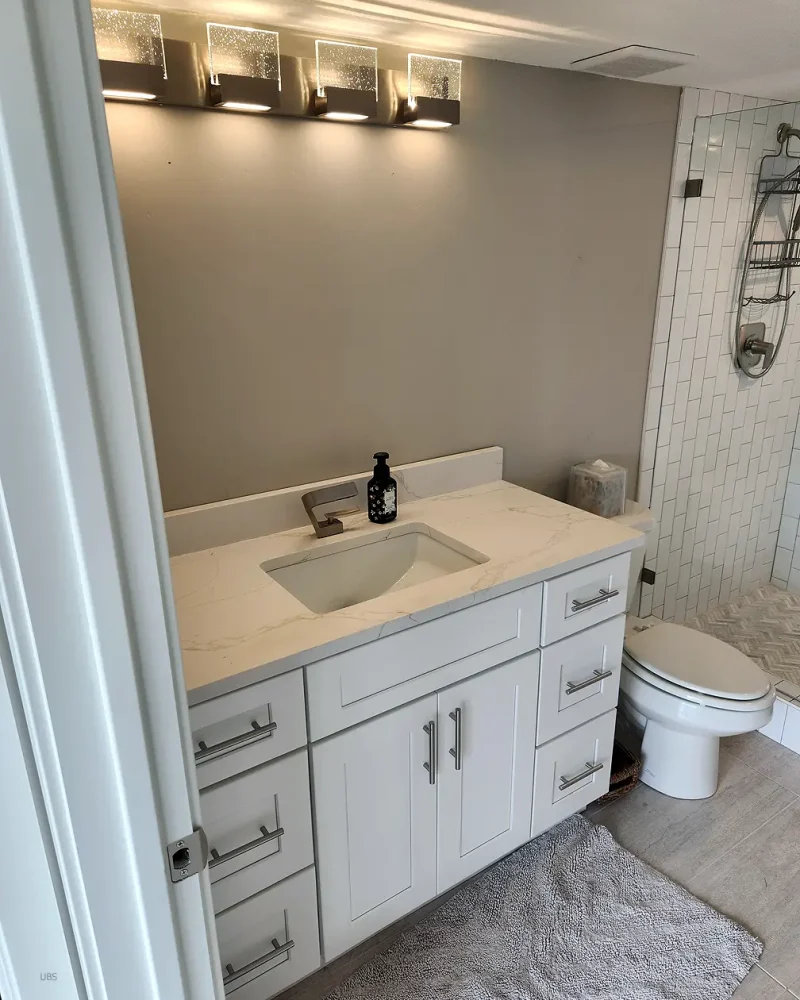
Basement Finishing Utah- a basement bathroom with a standard white vanity
Basement Finishing Utah- framing to accommodate HVAC and other basement systems

Code-friendly solutions for ceilings and utility clearance

Ceiling Height, HVAC, and Mechanical

Utah building code requires finished basement ceilings to have a minimum height of 7 feet, with minor allowances for beams or ductwork. Older homes sometimes have low-hanging utilities, so rerouting mechanical lines or using soffits may be necessary. Planning around ceiling height early helps avoid surprises once drywall goes up.

HVAC access must also remain open for servicing. Furnaces, water heaters, and mechanical rooms require clearances and cannot be sealed tightly behind framing. Proper airflow, return vent placement, and combustion air access keep your basement comfortable year-round and maintain energy efficiency.

Requirements for wiring, outlet placement, and safe illumination

Electrical, Lighting & Outlet Spacing

Electrical work must be completed to code and inspected before walls are closed. Utah requires outlets every 6–12 feet depending on room use, and circuits in basements often need arc-fault or ground-fault protection. Recessed cans, LED lighting, dimmers, and low-voltage options like theater pre-wire should be planned before insulation or drywall begins.

Lighting matters more in basements due to reduced natural light. Many homeowners choose a mix of recessed lighting, wall sconces, and feature fixtures to brighten the space. Running electrical early also prevents costly rework later when you decide to add a kitchenette, theater, gym equipment, or additional outlets.

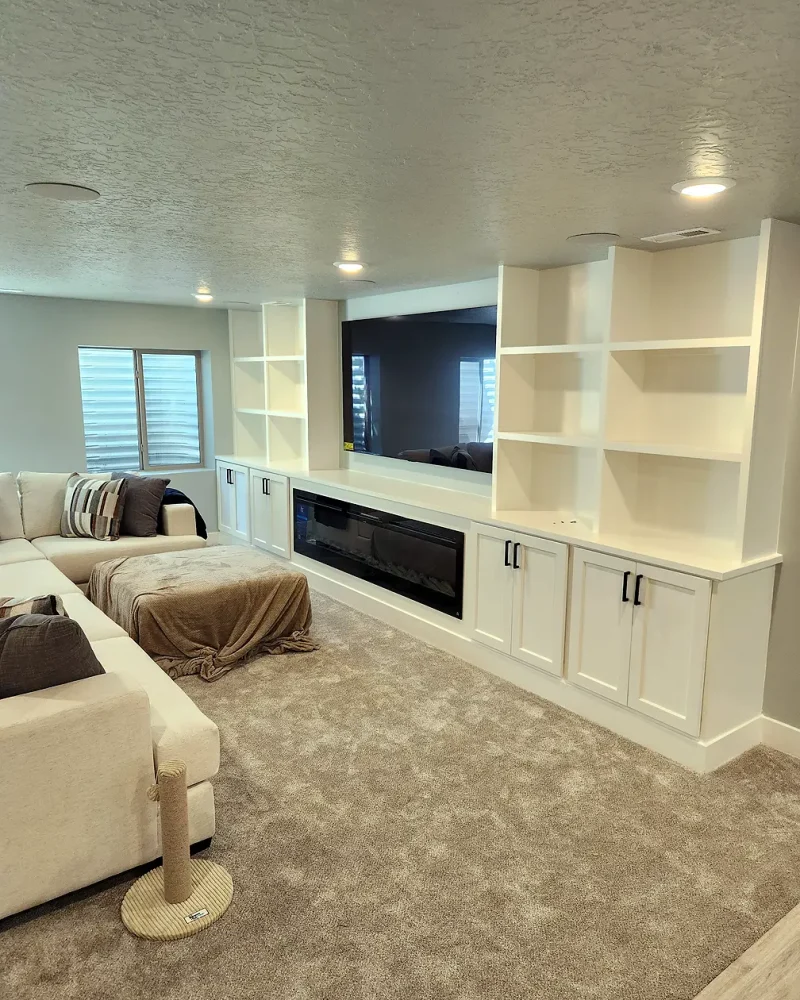
Basement Finishing Utah- family room with custom cabinets

Ready to Finish Your Basement?

Schedule a free, no-pressure consultation

Understanding Utah’s basement code protects your investment, speeds inspections, and ensures a safe, high-quality finish. With good planning and the right contractor, your project becomes smooth and stress-free.

385-500-8644

Call Us

Get Your Free Estimate