
Published on: April 10, 2026
Planning a basement finishing project is the most important step in the entire process. A clear plan ensures you get what you want, keeps construction organized, prevents delays, and helps control costs from start to finish.
In Utah, basement finishing requires coordination between layout design, permits, and construction. When each step is planned in the right order, the project becomes much more predictable and easier to manage.
A clear plan, from the start, is what keeps your basement project on time, on budget, and free from surprises.
Every basement should be planned with its intended use in mind. This decision guides layout, features, and overall budget.
Some homeowners need additional bedrooms. Others want a large living area, a home office, or a combination of spaces. Defining the goal early helps avoid changes later and keeps the project focused.
A clear purpose also makes it easier to prioritize decisions as the plan develops.
Once the purpose is defined, the next step is creating a layout. The layout determines how the space is divided and how each area connects.
A simple layout with open space and a few rooms is usually the most efficient to build. More detailed layouts with multiple rooms, hallways, and added features require more planning and more construction time.
Each wall adds framing, electrical work, and finishing. Finalizing the layout early helps prevent adjustments during construction, which can slow the project down.
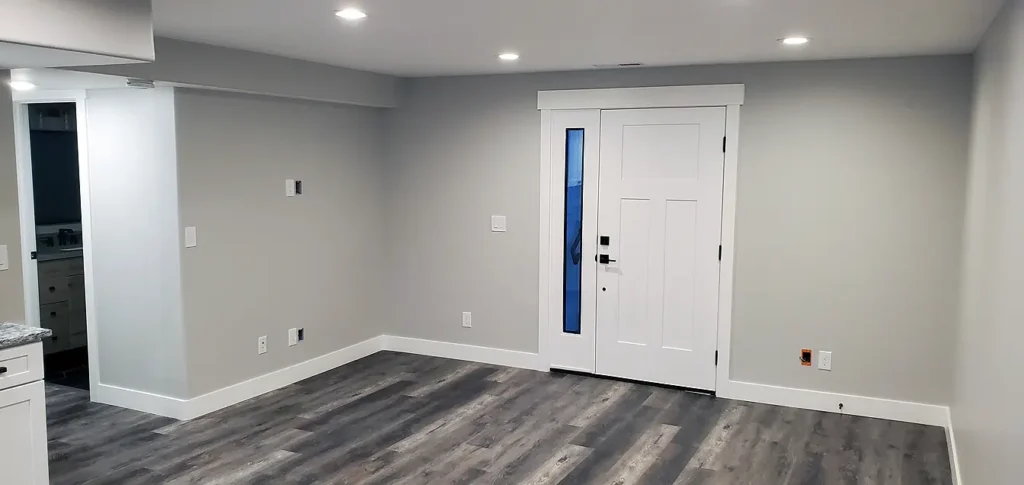
Budget and layout should be planned together. In Utah, basement finishing costs are typically based on square footage, with adjustments depending on features and complexity. Our baseline pricing starts at $45 per square foot.
Having a clear budget helps guide decisions about room count, upgrades, and finishes. It also helps prevent adding features that do not fit within the overall plan.
Planning within a defined range keeps the project consistent from design through construction.
A complete basement finishing project includes multiple stages of construction. Understanding the full scope helps set clear expectations from the beginning.
Most projects include framing, electrical, insulation, drywall, flooring, trim, and paint. Permits and inspections are also part of the process.
Reviewing what is included upfront ensures nothing is overlooked and makes it easier to compare options when reviewing bids.
Basement finishing in Utah requires permits and inspections. These steps ensure the work meets building code and is completed safely.
Each city may have slightly different requirements, but the process is generally the same. Plans are submitted, reviewed, and approved before construction begins.
Starting this process early helps avoid delays and keeps the project moving once construction is scheduled.
After the layout and scope are defined, the next step is selecting finishes and features. This includes flooring, trim, lighting, and any additional elements such as bathrooms or wet bars.
Making these decisions before construction begins helps maintain a consistent schedule. It also reduces the likelihood of changes during the build, which can impact both cost and timeline.
A fully defined plan allows construction to move forward without interruptions.
Most of our basement finishing projects take about 12 weeks after permits are approved. More detailed projects may take closer to 14 weeks.
The timeline depends on the size of the basement, the number of rooms, and the layout’s overall complexity. Inspections also affect how quickly each phase can move forward.
Knowing the expected timeline helps set clear expectations before construction begins.
Once construction starts, staying consistent with the original plan is key. Changes during construction are one of the most common causes of delays and cost increases.
A clear plan allows each phase to move forward without interruption. It also improves communication and keeps the project organized.
When decisions are made early and followed through, the construction process becomes much more predictable.
As construction nears completion, the focus shifts to finishing details and final inspections. This stage ensures everything is completed correctly and ready for use.
A final walkthrough allows you to review the space, confirm that all work meets expectations, and identify any remaining adjustments.
Completing this step carefully helps ensure the project is finished without loose ends.
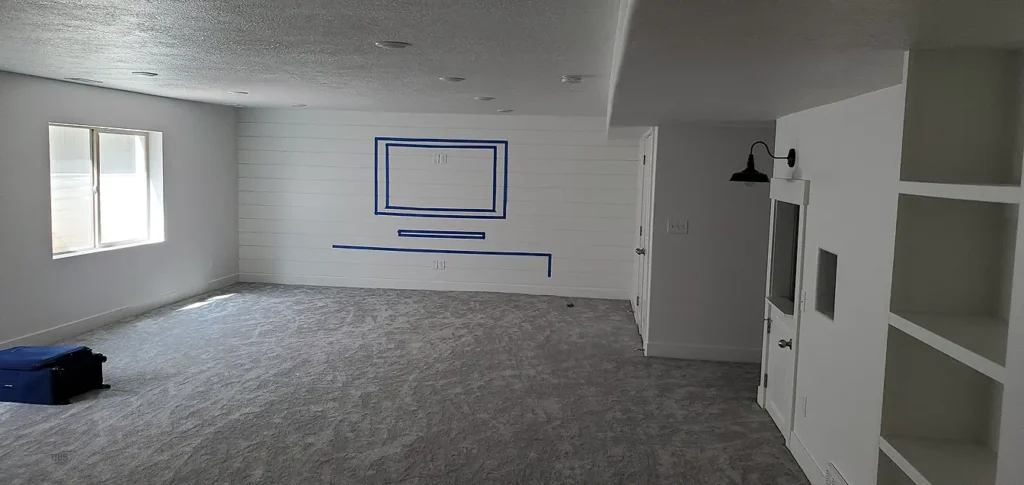
The difference between a smooth project and a difficult one usually comes down to planning. Clear goals, a defined layout, and finalizing decisions early in the process reduce uncertainty.
A well-planned basement project moves more efficiently, stays within budget, and produces a better final result. Each step builds on the previous one, creating a consistent process from start to finish.
Taking the time to plan properly reduces surprises during construction.
Some of the most common issues in basement projects come from incomplete planning. These are avoidable with the right approach.
Changing the layout after construction begins can delay progress and increase cost. Waiting to select finishes can slow the schedule. Not understanding what is included in the scope can lead to confusion later in the project.
Addressing these details early helps keep the process clear and organized.
Planning a basement finishing project in Utah is about creating a clear path before construction begins. Each step, from layout to permits to final details, plays a role in how the project turns out.
A structured approach makes the process easier to manage and helps ensure the finished space meets your expectations.
Ready to plan your basement? Contact us for a free quote.