
Published on: April 3, 2026
Finishing a basement is one of the most practical ways to add usable space to a Utah home. It can increase function, improve layout, and add long-term value. Before starting, it helps to understand what basement finishing costs typically are and what factors influence the final price.
The cost of basement finishing in Utah can vary depending on layout, features, and design. Having a clear baseline makes planning much easier.
Most fully finished basements in Utah fall around $40 to $55 per square foot. A common starting point many homeowners see is about $45 per square foot for a complete, code-compliant finish.
For example:
These numbers typically include framing, electrical, insulation, drywall, flooring, trim, and paint. They also include permits and required inspections to ensure the project is handled correctly.
This gives a realistic baseline, but the final cost depends on how the space is built out.
Most basements we finish cost around $45 per square foot for a complete, code-compliant build. Final pricing depends on layout, features, and finishes.
A full basement finish is more than just adding walls and flooring. It turns the space into a usable living area that meets Utah building code.
Most projects include:
If plumbing is added, such as a bathroom or a wet bar, the total cost will increase. The level of finish also plays a role, especially with flooring and cabinetry choices.
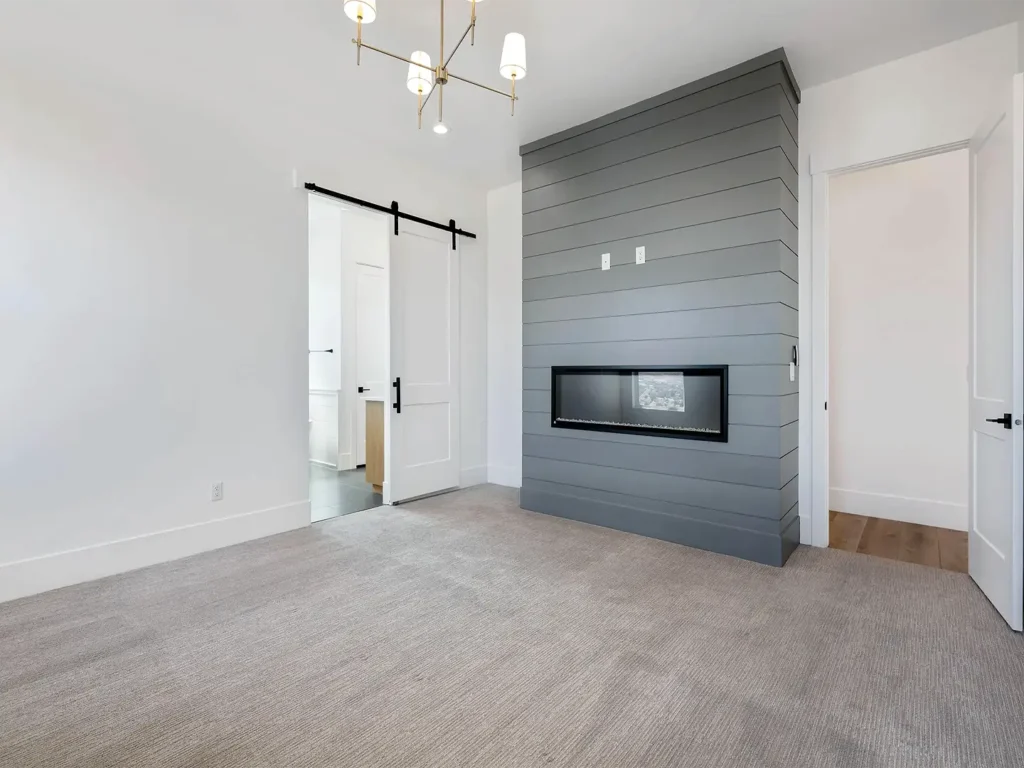
Looking at real-world scenarios can help make these numbers more practical. Most projects fall within a predictable range once layout and features are defined.
A typical project might include:
Estimated cost: around $40,000 to $50,000, depending on finishes
A more basic finish with fewer customizations may fall closer to the lower end, while upgraded materials or additional features will push the price higher. Basement apartments with kitchens and separate entrances typically cost more due to added requirements.
1. Basement Size and Layout
Larger basements cost more overall, but the price per square foot usually stays consistent. Open layouts are typically more efficient to build than highly segmented designs with many rooms.
2. Bathrooms and Plumbing
Adding a bathroom is one of the biggest cost increases. Plumbing, fixtures, and ventilation all add complexity. The location of existing plumbing can also affect the final cost.
3. Kitchens or Wet Bars
A basement kitchen or wet bar requires cabinetry, countertops, and additional plumbing and electrical work. These features increase both material and labor costs.
4. Ceiling Height and Structural Work
Some basements require adjustments to meet code, especially if ceiling height is limited. Structural changes or beam work can add to the cost depending on the home.
5. Electrical and Lighting Upgrades
Standard lighting is included in most projects, but upgraded lighting plans or additional outlets can slightly raise the overall price.
6. Finishes and Materials
Flooring, trim, and fixtures can vary widely in price. Most homeowners stick to standard options, but upgrades will increase the total cost.
Some costs are not obvious at the start of a project. These are usually tied to layout changes or existing conditions in the home.
Common examples include:
Planning these details early helps avoid cost and timeline changes during construction.
A standard finished basement is designed for personal use. A basement apartment is built for independent living and must meet additional requirements.
Apartments typically include:
Because of these added features, basement apartments usually cost more than a standard finish. Local zoning and city requirements will also affect whether an apartment is allowed.
Most basement finishing projects take about 12 weeks after permits are approved. More complex projects, such as basement apartments, may take closer to 14 weeks.
The timeline depends on:
A clear schedule at the start helps keep the project moving consistently.
The best way to plan a basement finishing project is to start with a realistic budget range and then adjust based on your goals.
A few practical steps:
Working from a clear plan helps avoid costly changes during construction.
In many Utah homes, finishing a basement adds both usable space and long-term value. It allows homeowners to expand without altering the home’s footprint.
The return depends on the layout and quality, but well-finished basements are consistently among the more practical home improvements. A functional layout and clean finish tend to provide the most value over time.
Basement finishing costs in Utah are fairly consistent when the project is done properly. Most homeowners can expect a predictable price range based on square footage, with adjustments depending on features and layout.
A well-planned project leads to a smoother build, fewer surprises, and a finished space that adds long-term value to the home.
If you’re ready to see how much your basement will cost, contact us for a free quote.