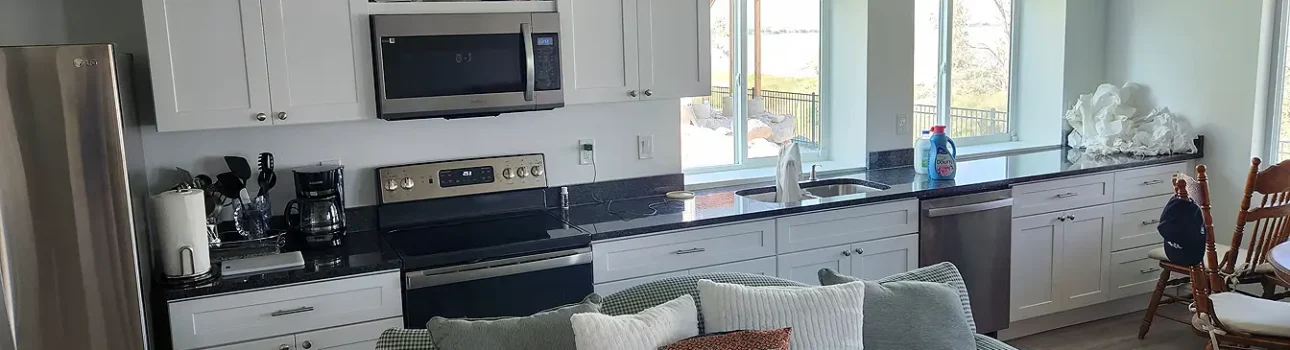
Basement Finishing Utah- basement kitchen just off the family room

How to Turn Your Basement Into a Rental Apartment—Code, Layout & Costs

Finishing your basement as a rental apartment often referred to as an Accessory Dwelling Unit (ADU) is one of the most valuable upgrades you can make to your home. Instead of unused concrete space, a finished basement can house tenants, extended family, or provide private space for college students and aging parents. And unlike building an addition, you’re working within an existing footprint, which often makes the project faster, more affordable, and more profitable in the long run. It’s a way to add function, comfort, and long-term financial return all at once.

Utah’s continued population growth, high rental demand, and rising housing prices have made basement apartments increasingly popular across the Wasatch Front. Homeowners in cities like Layton, Syracuse, Lehi, Santaquin, and other fast-growing areas are finishing basements to create income-producing living spaces or secondary suites that add flexibility and value. With the right design and planning, a basement ADU can provide $900–$1,600+ per month in rental income while increasing the overall worth of the property making it a powerful investment strategy.

In this guide, we’ll walk through everything you should know before starting your project, including building code requirements, egress and safety needs, layout planning, necessary features, and expected costs. We’ll also cover tips for designing a functional rental space that feels private and comfortable, plus insights to help you decide whether a basement apartment is the right choice for your home and goals. By the end, you’ll have a clear understanding of how to move forward with confidence.

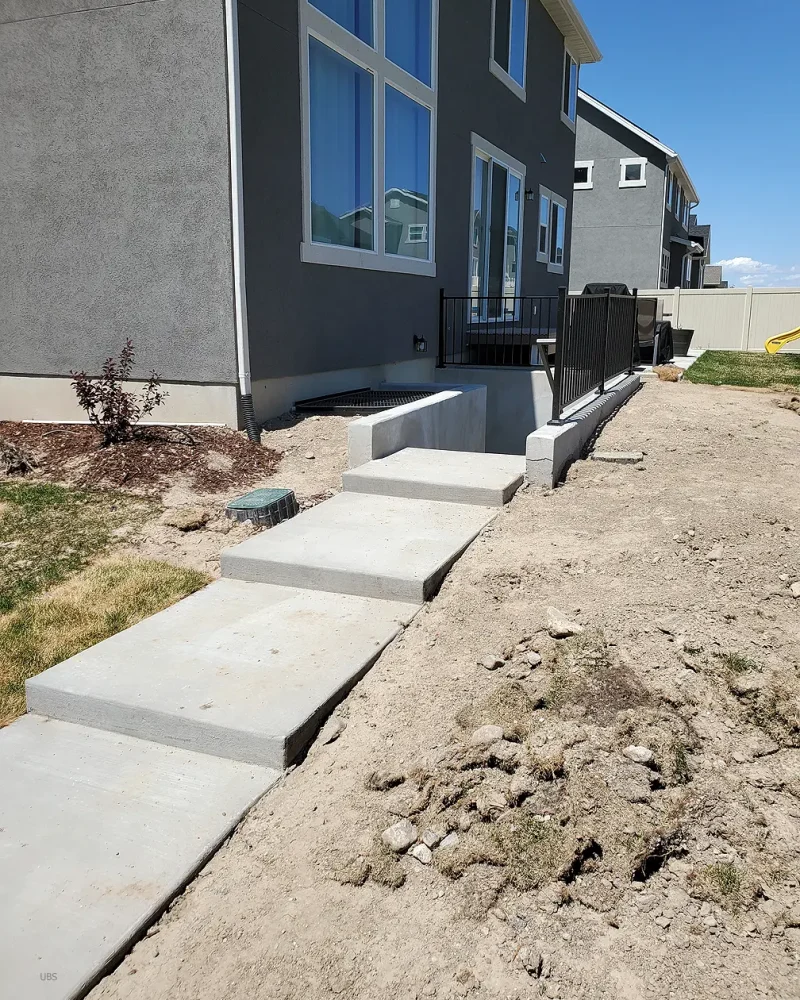
 
 
Basement Finishing Utah with and exterior entrance

Key Requirements for a Legal Basement Apartment

Understanding Basement Apartment Code Requirements

Before beginning construction, it’s crucial to understand local building codes that determine what makes a basement legally rentable. Most Utah cities require proper egress windows, fire separation, ventilation, and safe electrical/plumbing systems to ensure the space is up to livable standards. A legal unit also requires smoke and carbon monoxide detection, appropriate ceiling height, and adequate heating/cooling to provide year-round comfort. Meeting code isn’t just a formality it’s a safety requirement that protects both you and future renters.

Permits are mandatory for basement ADUs, and skipping them can lead to fines, insurance issues, or difficulty selling later. A licensed contractor can handle design plans, permit submissions, inspection scheduling, and code compliance, ensuring everything passes correctly the first time. While DIY work is tempting, basement apartments involve complex systems, and professional guidance reduces risk. Knowing the rules early saves time, money, and frustration during construction.

Planning for Practicality, Privacy, and Comfort

Designing a Functional, Comfortable Layout

A successful basement apartment needs more than drywall, and the layout determines livability. Consider how tenants will move through the space, where natural light enters, and which rooms benefit from added privacy. Bedrooms require properly sized egress windows, kitchens need functional work zones, and living spaces should feel open rather than cramped. Planning soundproofing for ceilings and shared walls also increases privacy and improves rental appeal. Intentional layout choices make your basement feel like a true living space instead of a converted storage area.

Beyond structure and flow, think about comfort upgrades that attract quality renters. Warm lighting, durable flooring, good storage, and efficient heating/cooling make daily living more enjoyable. A private entrance increases value and independence, while in-unit laundry greatly improves rental flexibility. Aim for a layout that balances function and comfort—one that suits tenants’ needs while still fitting the footprint of your home. A well-designed layout increases rental potential and long-term satisfaction for everyone involved.

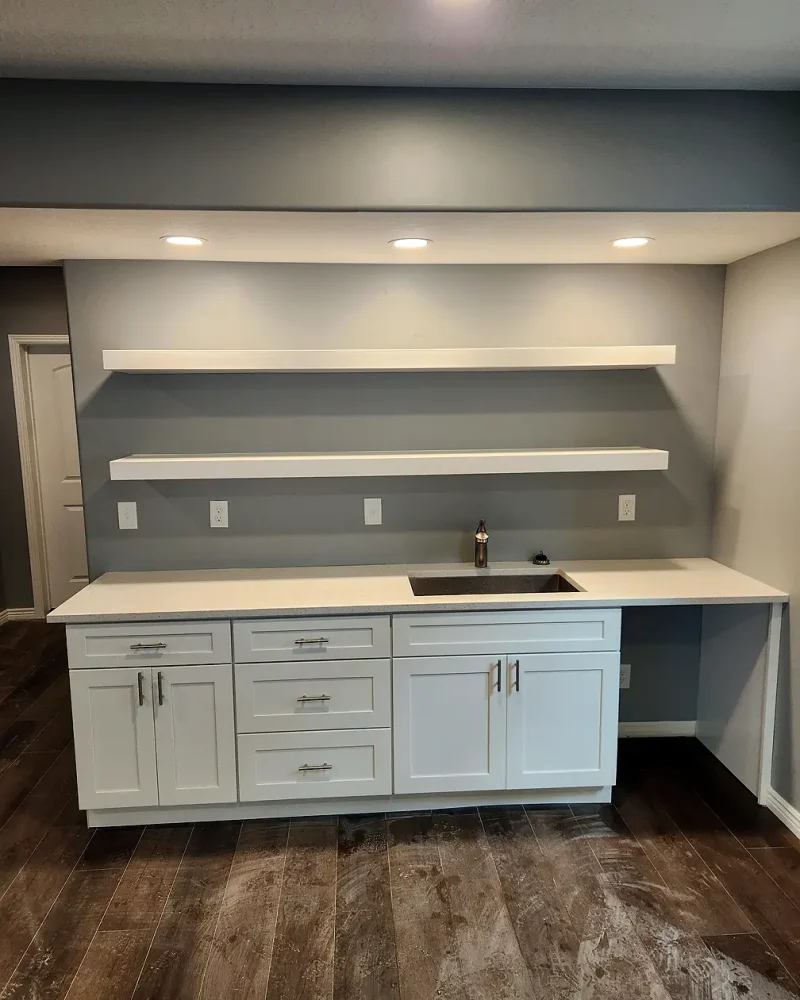
Basement Finishing Utah- a basement remodel that added a small kitchen and some floating shelves
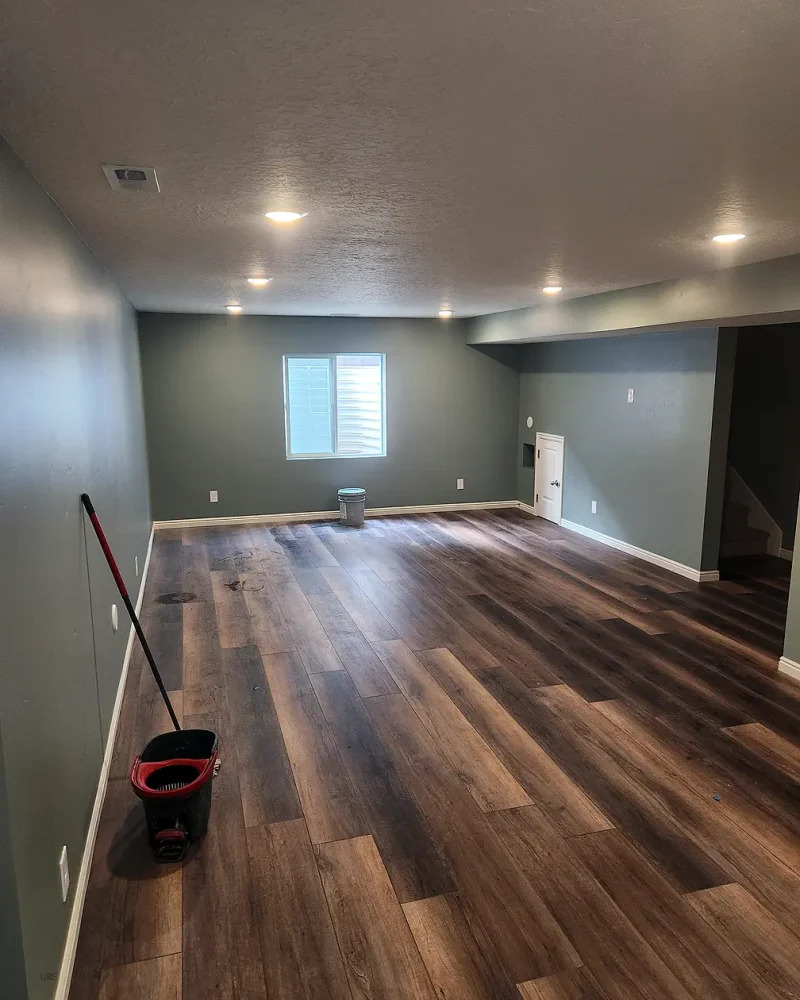
Utah Basement Finishing showing a new basement apartment with LVP flooring

The Core Components of a High-Quality Rental

What Features Should a Basement Rental Include?

For your basement to operate as a true apartment, it needs essential living features. At minimum, most ADUs include a bedroom, full bathroom, kitchen or kitchenette, living space, and laundry access. Even compact kitchens can work well when designed efficiently with cabinets, countertops, and space-saving appliances. Storage is also valuable for long-term renters, and can often be integrated through closets, built-ins, or under-stair spaces. Features chosen early will guide plumbing and electrical placement, making planning a key part of early design.

Beyond essentials, consider upgrades that increase rental value and comfort. Popular additions include sound-insulated ceilings, luxury vinyl flooring, modern lighting, Wi-Fi access points, and separate climate controls. A private entrance or walk-out basement option adds major appeal, especially for long-term tenants. For homeowners planning to house family members, accessibility features like wider doorways or step-free entrances may be worth including. The more comfortable and self-contained the unit feels, the more desirable and profitable it becomes.

Realistic Budgets and Income Outlook

Cost Expectations & Rental Income Potential

The cost to convert a basement into a rental apartment varies depending on condition and desired features. A standard unfinished basement conversion typically ranges from $55–$75+ per square foot when adding plumbing, kitchen appliances, and bathroom elements. Egress windows, electrical upgrades, insulation, and fire separation each add cost but are essential for code compliance. While this investment is significant, detailed itemized bids help you understand where costs go and allow flexibility in choosing materials and finish levels.

The long-term return, however, can make the upgrade financially worthwhile. Utah basement apartments often rent for $900–$1,600+ per month depending on size, location, and amenities meaning many homeowners recover costs within several years. With continued growth in housing demand and limited rental supply, ADUs remain one of the highest-ROI home improvements. A properly built basement rental not only generates monthly income, but also increases property value and resale appeal for years to come.

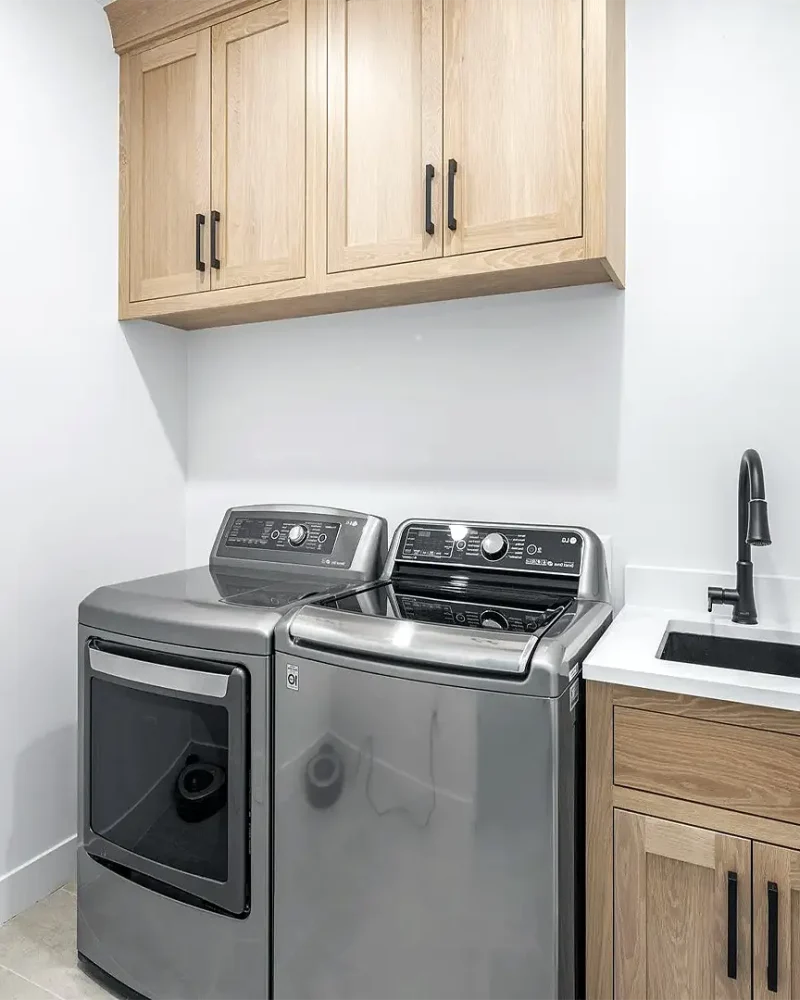
Basement Finishing Utah with a small laundry room

Ready to Finish Your Basement?

Schedule a free, no-pressure consultation

Create income potential or a comfortable living space with a professionally built basement ADU. From design to final inspection, we handle it all. Reach out today to start planning your basement apartment.

385-500-8644

Call Us

Get Your Free Estimate